


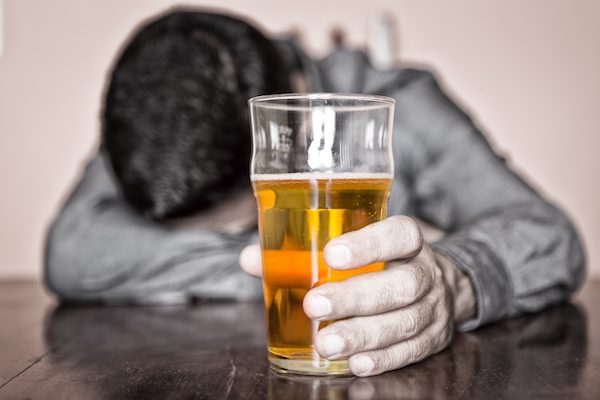
© Shutterstock
Sinwan Basharat, Canada
It is not surprising that the new year coincides with the sharpest increase in sales of self-help books. People are eager to make improvements in life, and improving one’s health often tops the list.
The Pew Research Center reported that among people who set resolutions, 79% of people set their resolutions towards health, exercise, and diet. The subsequent categories relate to finances, and then relationships. One specific resolution that can tackle these top three resolutions and is increasingly becoming more popular is the concept of ‘Dry January’, where people refrain from alcohol during the month. It is estimated that hundreds of thousands of people pledge to curb alcohol each year and take part in Dry January.
Although never intended by the founders or proponents of Dry January, this relatively new take on self-improvement falls in line with centuries-old teachings of Islam. Islam emphatically declared that alcohol is a major impediment to people’s health and well-being, their finances, and relationships, ultimately affecting their spirituality.
Curbing this one habit could unlock a wave of vitality, prosperity, and peace in the world today. It seems that the world is finally catching on to the catastrophic harms of alcohol. There is a shift brewing, and the latest research affirms Islam’s wisdom that alcohol has a net negative effect.
Alcohol and the Risk of Dementia
Previously, the Review of Religions reported findings from leading evidence reviews that showed that alcohol is associated with significantly increasing the risk for cardiovascular disease and many cancers. The broad consensus of scientific experts and the World Health Organization (WHO) state that there is no safe level of alcohol, representing a stark shift from the previously stated guidance that perhaps a moderate level of alcohol could be beneficial.
Now the latest evidence from one of the largest long-term studies based in the UK and the United States, further shows that any amount of alcohol also increases the risk of dementia.
Dementia is a devastating disease affecting primarily older people, that progressively leads to a decline in memory, cognition, and emotional regulation. As the world’s demographic structure shifts towards an ageing population, the rates of dementia are rapidly increasing, placing major burdens on health systems and family caregivers.
Research published in BMJ Evidence-Based Medicine followed more than half a million older adults for several years in both countries to examine the association of drinking with dementia. In their analysis, the researchers adjusted for confounders (i.e., other variables that essentially create noise in research data and can lead to misinterpretations) such as genetic factors. They found that alcohol intake was associated with upto 16% increased risk of dementia.
The authors said, “Our study findings support a detrimental effect of all types of alcohol consumption on dementia risk, with no evidence supporting the previously suggested protective effect of moderate drinking.”
As governments contend with rising rates of dementia, it is imperative to identify modifiable factors that can reduce the incidence. Increasing awareness and informing the public about how the harms of alcohol extend beyond cancer and can affect multiple aspects of health is critical.
Prohibition of Alcohol Is a Distinctive Feature of Islam
The Holy Qur’an forbids the consumption of alcohol in verses 2:220 and 5:91-92. It states that although there may be some benefits of alcohol, its harms outweigh its benefits. Alcohol is also described as an impediment for building prosperity (materially and socially), affecting relationships, and affecting one’s spirituality.
Hazrat Mirza Bashirudeen Mahmood (ra), the Second Caliph of the Ahmadiyya Muslim Community, has further described in the commentary to verse 2:220, that the ill effects of alcohol are largely due to its impact on the brain and the nervous system. It paralyses senses, diminishes self-control, emotional regulation, and impairs intellectual capability.
Islam is also unique among major world religions in having such a clear and strong prohibition against consuming alcohol. On one hand, religious texts, including those of Christianity and Judaism, forbid intoxication or drunkenness, but on the other hand, they also provide a certain cultural or ritual significance to wine. Buddhism does have a more apparent restriction against alcohol, being a central part of the 5 precepts; however, in reality, it is loosely practised.
Yet Again, the Teachings of Islam Prevail
The new research showing the strong impact on the brain and on the risk of dementia ought to be another wake-up call for health systems and governments to enact greater measures to reduce alcohol intake. The Holy Qur’an also explains that Islam is, in fact, the natural and intended recourse of humanity. Be it from a natural, legislative, or rationally formed approach, the ultimate conclusion will result in the teachings of Islam, as it is based on the Divine Wisdom of Allah.
“Do they seek a religion other than Allah’s, while to Him submits whosoever is in the heavens and the earth, willingly or unwillingly, and to Him shall they be returned?” (3:84)
Well-formed research, based on an objective framing and methodologically rigorous approach, will inevitably align with the teachings of the Holy Qur’an. Alcohol has been declared a harmful intoxicant that poses a net risk to the peace and stability of society. Research is beginning to catch up to the centuries-old insights of Islam, and people are seemingly changing their ways.
Some research also shows promising signs that younger people, particularly Gen Z, are foregoing alcohol compared to earlier generations. Many young people across the world are less likely to consume beer and wine and instead opt for non-alcoholic drinks. Experts attribute the decline to increasing health-consciousness and changing social habits among younger people. Whether the trend will last is yet to be determined. Regardless of the social trends, the science will undoubtedly highlight that alcohol is harmful to society, the evidence will continue to mount, and will inevitably underscore that the teachings of Islam will continue to prevail.
About the Author: Sinwan Basharat is a researcher with a background in molecular genetics and epidemiology. He works for a research agency in Ottawa, Canada. He also serves as a Deputy Editor for the Science Section at The Review of Religions.


